Looking for microplastics in Vancouver

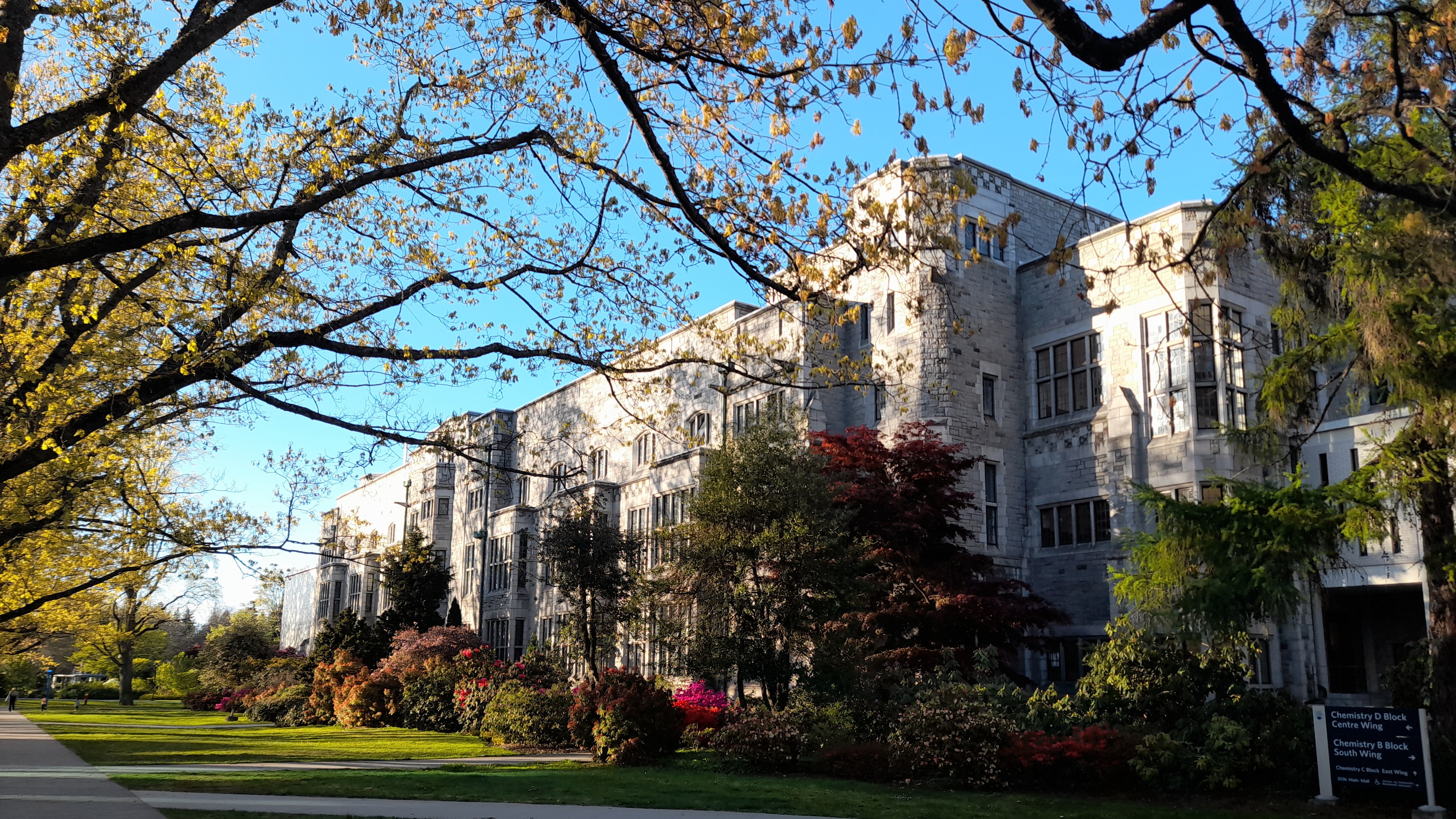
Already as a student, I dreamed of living abroad for some time. After completing my doctorate, I was finally able to do exactly that. I got a position as a research cluster coordinator at the University of British Columbia (UBC) in Vancouver. Working in this role, I was able to dive deep into the research and working environment on North America’s western coast and familiarize myself with work processes in a different culture.
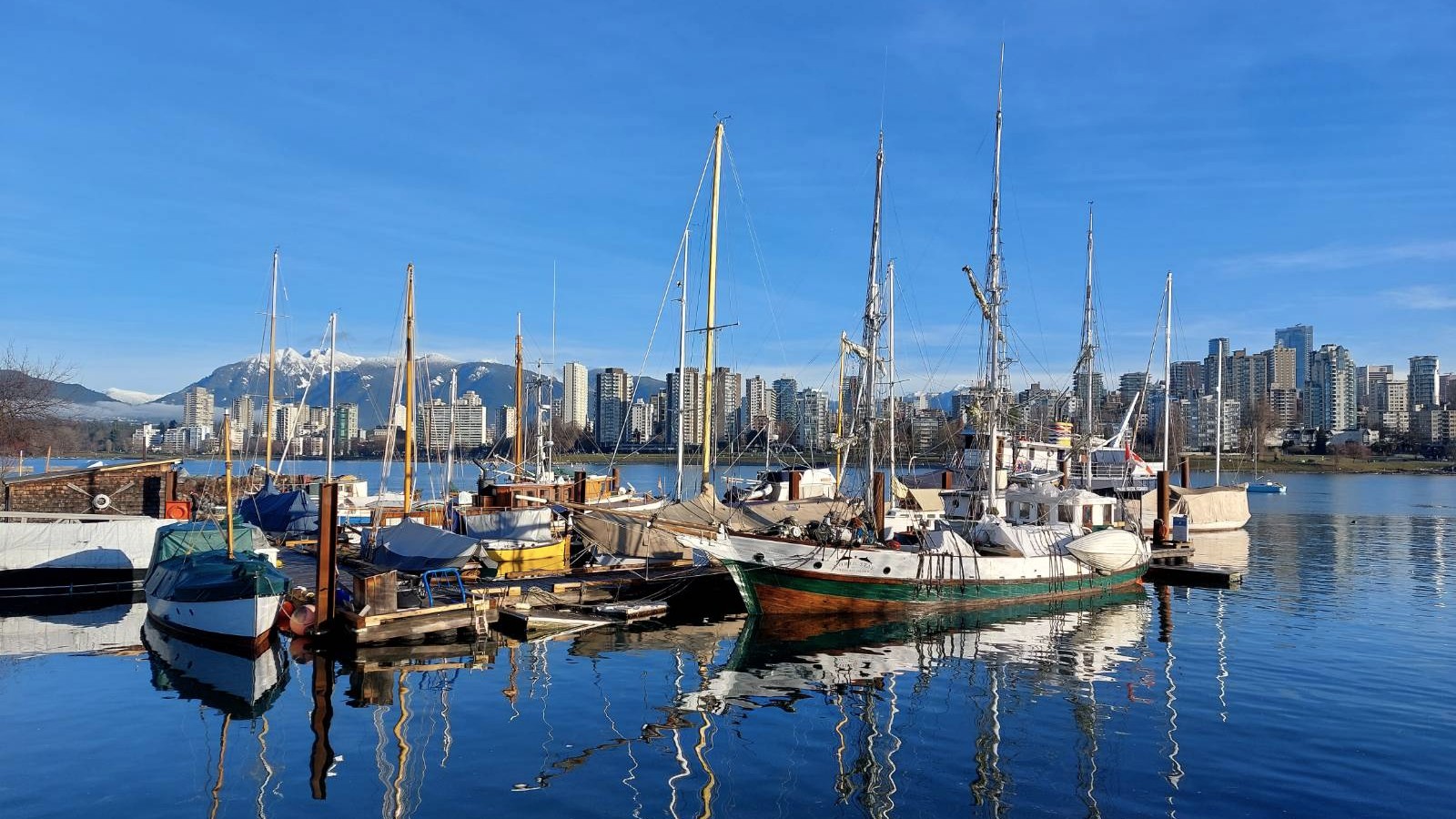
While the working style at the university in Vancouver was fairly similar to the one in Vienna, the communication culture was a whole different story. There’s a reason why Canadians are known for their unwavering friendliness. Whether you are queuing at the bus stop or giving your colleagues feedback on a presentation, politeness and a respectful tone are nonnegotiable. I also enjoyed a variety of different social activities: the rocky coast surrounding Vancouver was the ideal place to discover new hobbies such as ski mountaineering or surfing with new friends.
Nature as inspiration
The wild and pristine landscapes of the west coast gave me the inspiration for a new research question: Every year, we pollute the planet with millions of tons of plastic waste. Most types of plastics are nondegradable and break down into microscopically small parts (microplastics and nanoplastics). Due to their minuscule size and chemical stability, the tiny plastic fragments easily spread in nature, and because they are airborne, they even litter regions people have never set foot in before, such as the Canadian wilderness.
The Project
Due to their tiny size, detecting microplastics in the environment is a major challenge. In this project, international researchers are working to develop an analytical method that enables the non-destructive detection of nanoplastic particles. This will allow them to determine the concentration and distribution of these particles in the air.
Teresa Seifried exploring Vancouver


How microplastics spread
And so I had discovered a new research interest, which I described in my application for an Erwin Schrödinger grant as follows: I want to understand how microplastic particles spread as aerosols (particles suspended in air) in nature, how they degrade in the atmosphere due to the sunlight, and how they interact with atmospheric cloud drops. Through understanding these fundamental connections, I want to contribute to a more in-depth grasp of the extent and impact of plastic pollution on our environment and the climate. Thanks to an Erwin Schrödinger fellowship provided by the Austrian Science Fund (FWF), I was able to closely investigate this research question for two years, and my mentors, Edward Grant and Allan Bertram, even helped me establish a new research direction.
Innovative technologies in use
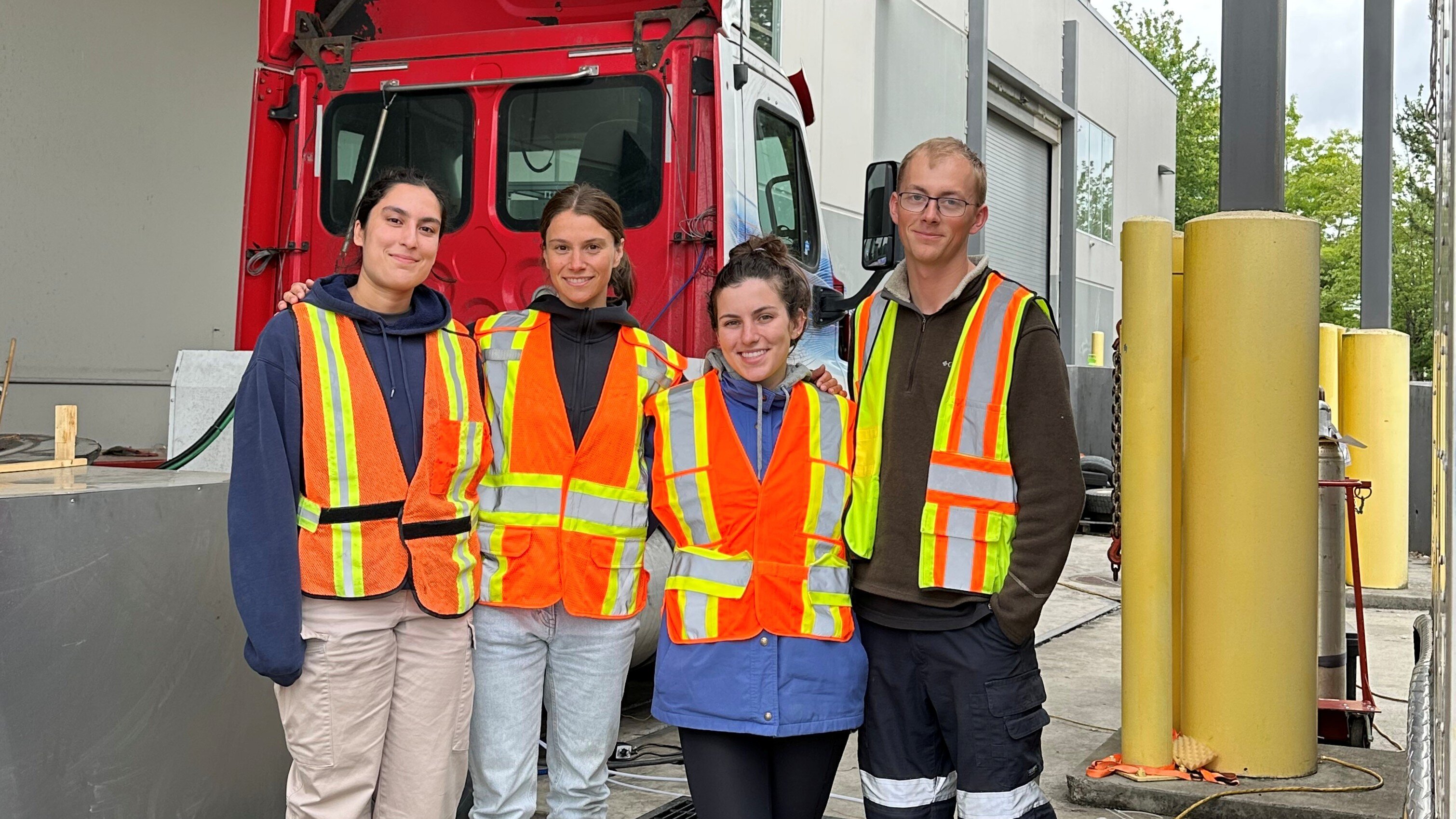
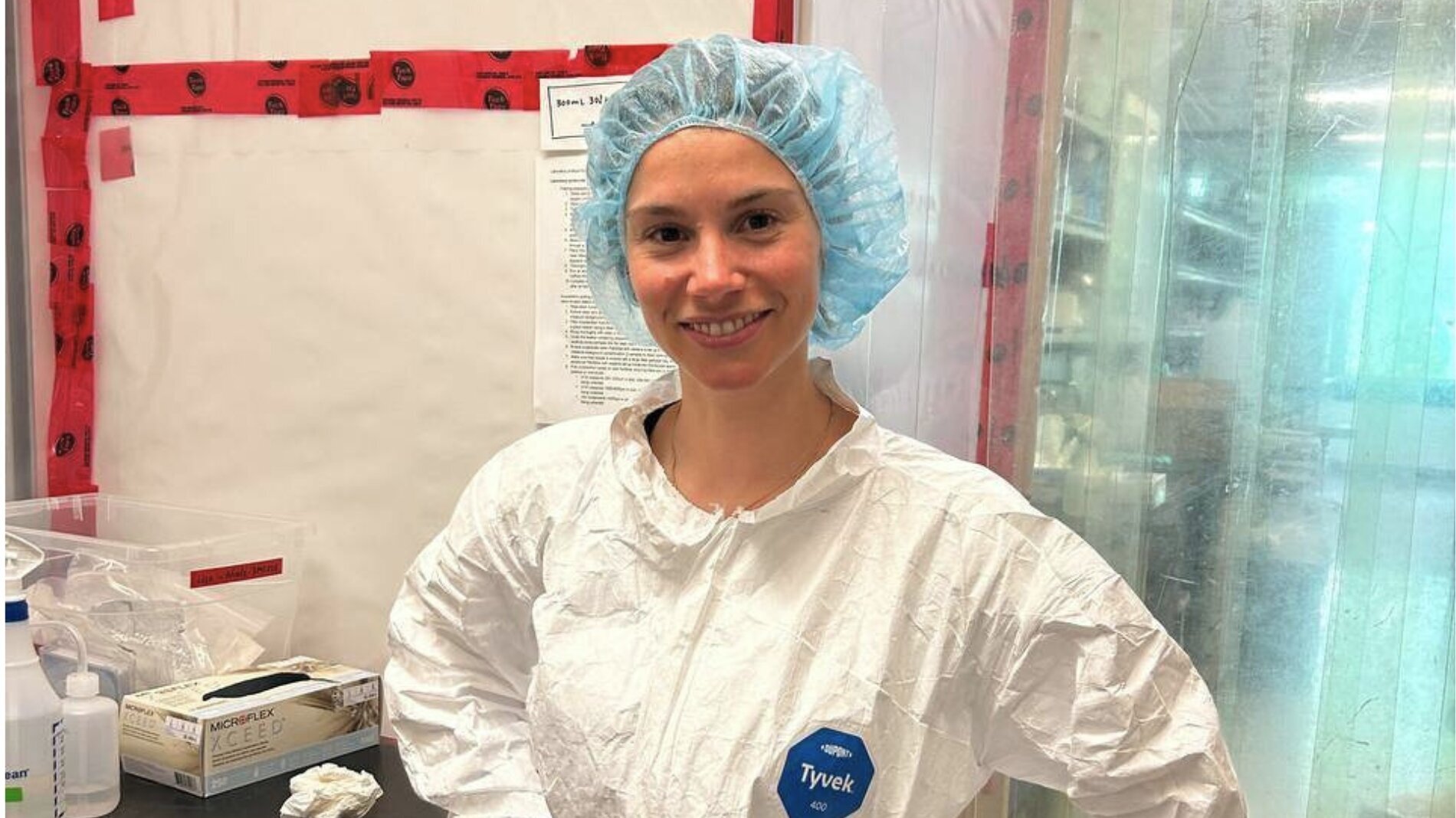
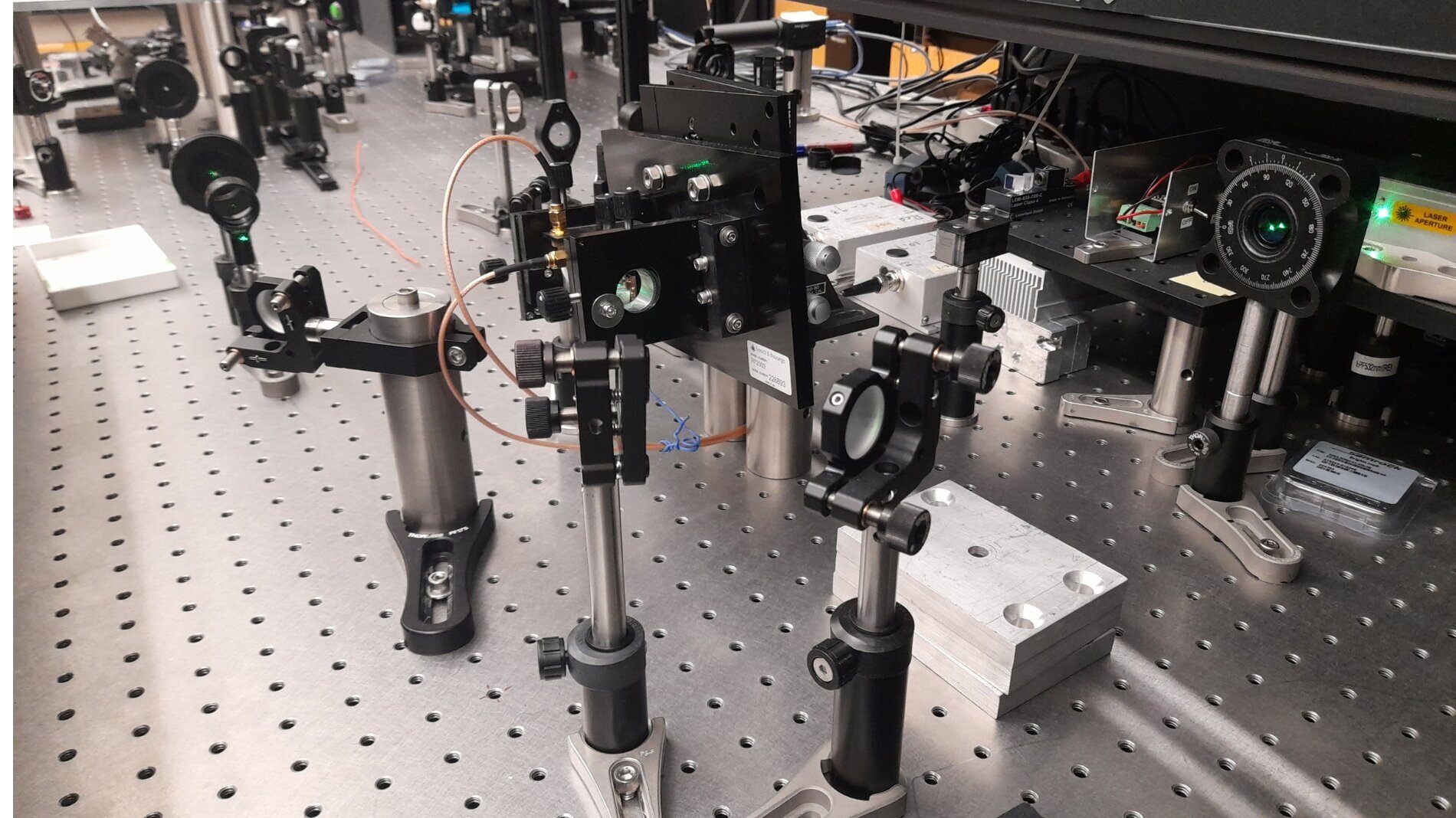
The new instruments and technologies I learned to use in two UBC labs enabled me to tackle my research question in a comprehensive way. These methods included high-resolution microscopy for analyzing minute microplastics particles (nanoplastics), simulations of atmospheric aging processes, and field measurements to gauge microplastics emissions caused by tire abrasion.
One of the things we were able to show was that microplastics particles can cause ice formation in cloud drops. This in turn impacts the way particles are transported. Our experiments also proved that microplastics get into the atmosphere through tire abrasion, especially during stop-and-go traffic. With the help of high-resolution microscopy, we were able to establish that plastic drinking cups contain nanoplastics.
During my time as a postdoc, I managed to build a motivated team of students and establish a new research field at UBC. The fruits of my work are not only scientific publications but also the sustainable impact it has had on the Department of Chemistry’s research orientation. While parting with Canada is anything but easy, I already look forward to and am excited about my return phase in Austria and the challenges it will bring.